How to Shovel Pre-Engineered Steel Building Roofs in Snow-Heavy Environments
John Lohan • January 22, 2026
Photo credit: Loren Homes, Anchorage Daily News, Jan. 9, 2024.
In many parts of North America, heavy snowfall is not an occasional inconvenience – it’s a constant reality. Buildings in northern and cold-weather regions must safely support snow accumulation, ice formation and seasonal freeze–thaw cycles without compromising structural integrity or long-term performance.
Snow weight is often underestimated. Light, dry snow may add only a few pounds per cubic foot, but wet, compacted snow can exceed 50 pounds per cubic foot. Over time, this weight increases as snow melts, refreezes and absorbs additional moisture. Without proper engineering, these forces can place significant stress on a roof system.
Snow rarely distributes itself evenly. It tends to collect at key parts of a roof system. As heat escapes through the roof, underlying snow layers melt and refreeze, increasing density and trapping water. The most severe condition occurs when rain falls on a snow-loaded roof, pushing loads closer to the weight of water itself.
While sloped roofs encourage snow shedding and reduce long-term loading, large industrial and commercial buildings often require only flat or low-slope roofs due to scale and functionality. In these cases, clearing excess snow manually is an important responsibility. People need to climb atop the roof and shovel the snow. And when that happens, you want your team to be safe while also removing the snow in an effective and efficient manner that won’t damage the roof engineering underneath the snow.
Safe Snow Removal Guidelines for Industrial Pre-Engineered Metal Building Roofs
Use these instructions from Double Black Construction
to safely reduce roof loads caused by heavy snow and ice buildup.
Snow Removal Procedure:
- Inspect the roof first. Look for unusual deflection in frames, purlins or joists. Begin snow removal in any area showing excessive sagging or stress.
- Remove snow evenly. Shovel away approximately half of the total snow depth first. Work in a balanced pattern to avoid uneven loading on frames and purlins.
- Follow a balanced shoveling pattern. Start at both end walls and work toward the center of the building. On larger roofs, assign additional workers to start near the center and move outward to maintain load balance.
- Clear snow across the roof width correctly. Move snow from the eaves up toward the ridge. Slide snow off the roof over the gutter edge. Be careful to watch for pedestrians or people below at all times. On gable roofs, remove snow from both sides of the ridge at the same time.
- Remove the remaining snow depth. After the first pass, remove the remaining half of the snow using the same balanced method.
- Do not scrape the roof surface. Never use metal shovels or scrape down to the roof panels. The goal is to reduce weight – not to fully clear the roof. Scraping can damage fasteners, loosen cinch straps and cause roof leaks.
- Keep drainage systems clear. Remove ice and debris from gutters, downspouts and roof drains to prevent water backup and ice dams. Watch shaded areas and north-facing roof sections closely. Heat tape can help but requires regular inspection and may not work in extreme cold.
- Monitor structural warning signs. Watch for excessive deflection and listen for cracking, popping or other unusual noises during heavy snow or ice conditions.
Safety Guidelines:
- Use proper fall protection at all times, including harnesses and helmets.
- Avoid stepping on skylights or translucent panels. These areas are not designed to support foot traffic.
- Expect sudden snow or ice slides. Metal roofs are extremely slippery when wet. Snow guards and edge barriers can reduce avalanche-style shedding.
- Use extreme caution near roof edges.
- Always work in pairs or teams. Never remove snow from a roof alone.
For more information, read “Should you shovel your roof? A Q&A with an Anchorage building official”
Double Black Construction works with building system manufacturers and general contractors to install their products on behalf of clients. When you are ready to build, let our experienced teams of builders transform your vision into reality.
You might also like
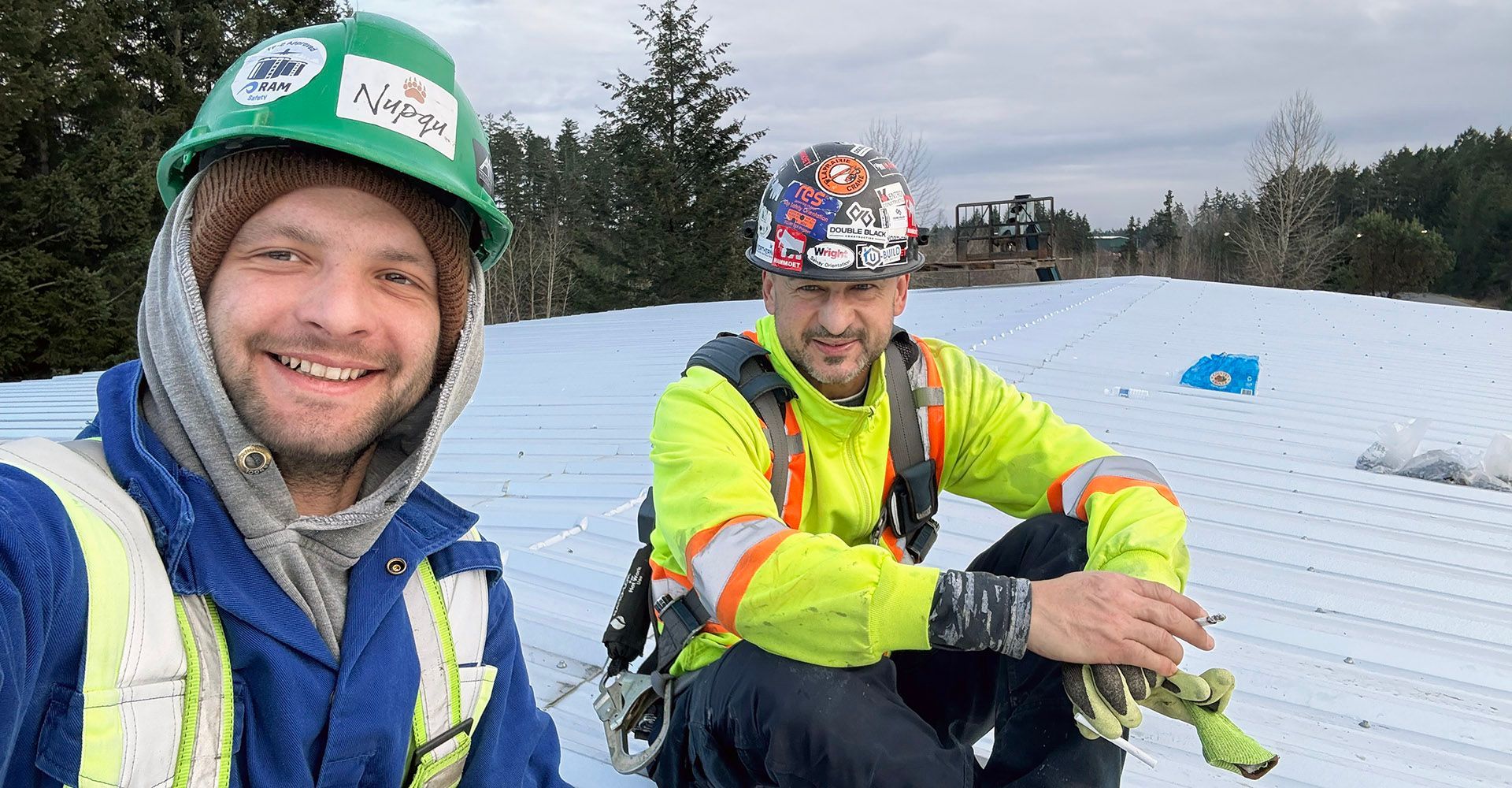
You might have also noticed the different coloured construction helmets and wondered whether the colours actually mean anything.
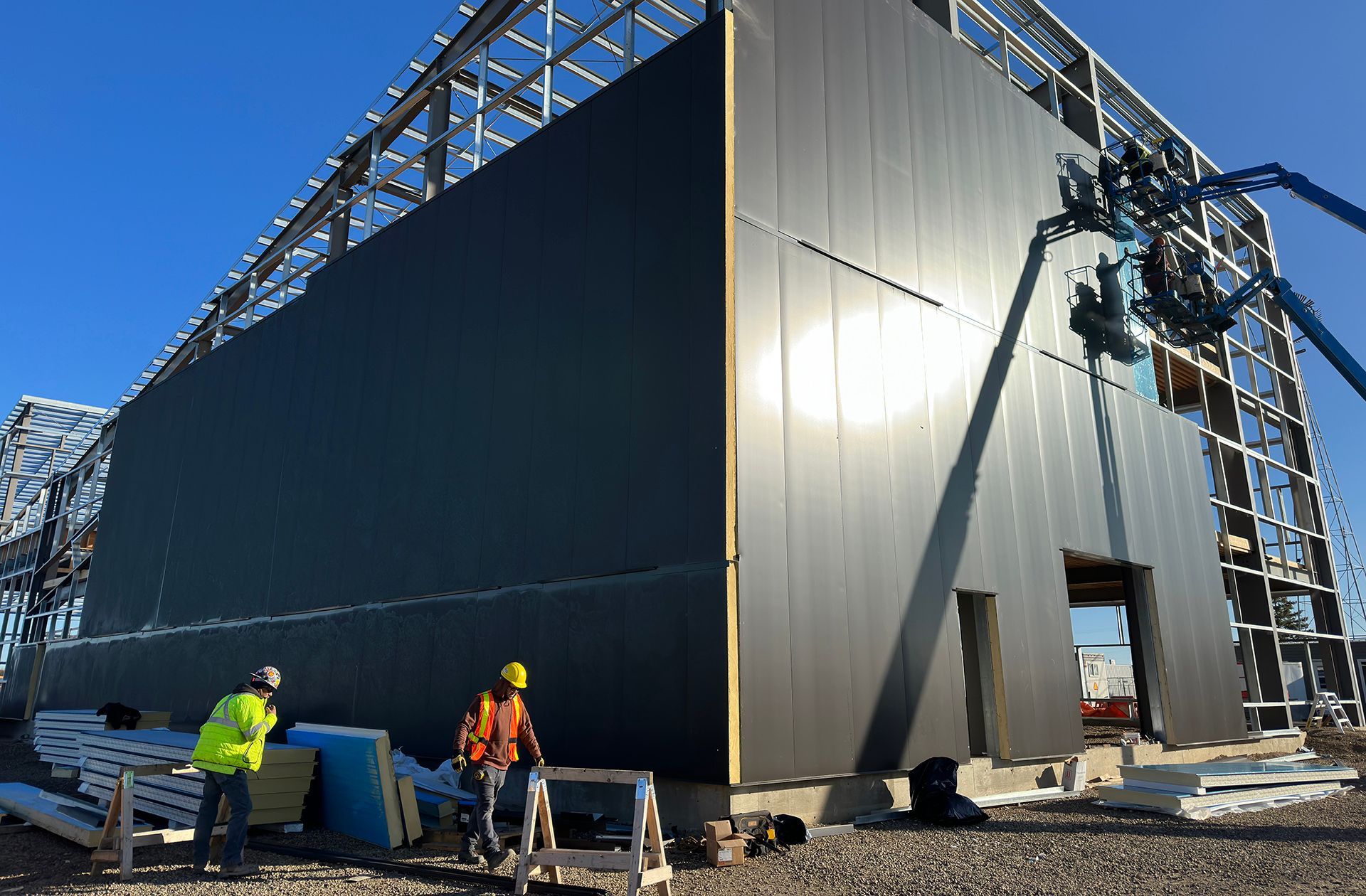
Rather than dividing our attention, we focus on doing one thing exceptionally well – installing steel buildings safely, efficiently and according to the manufacturer’s design.
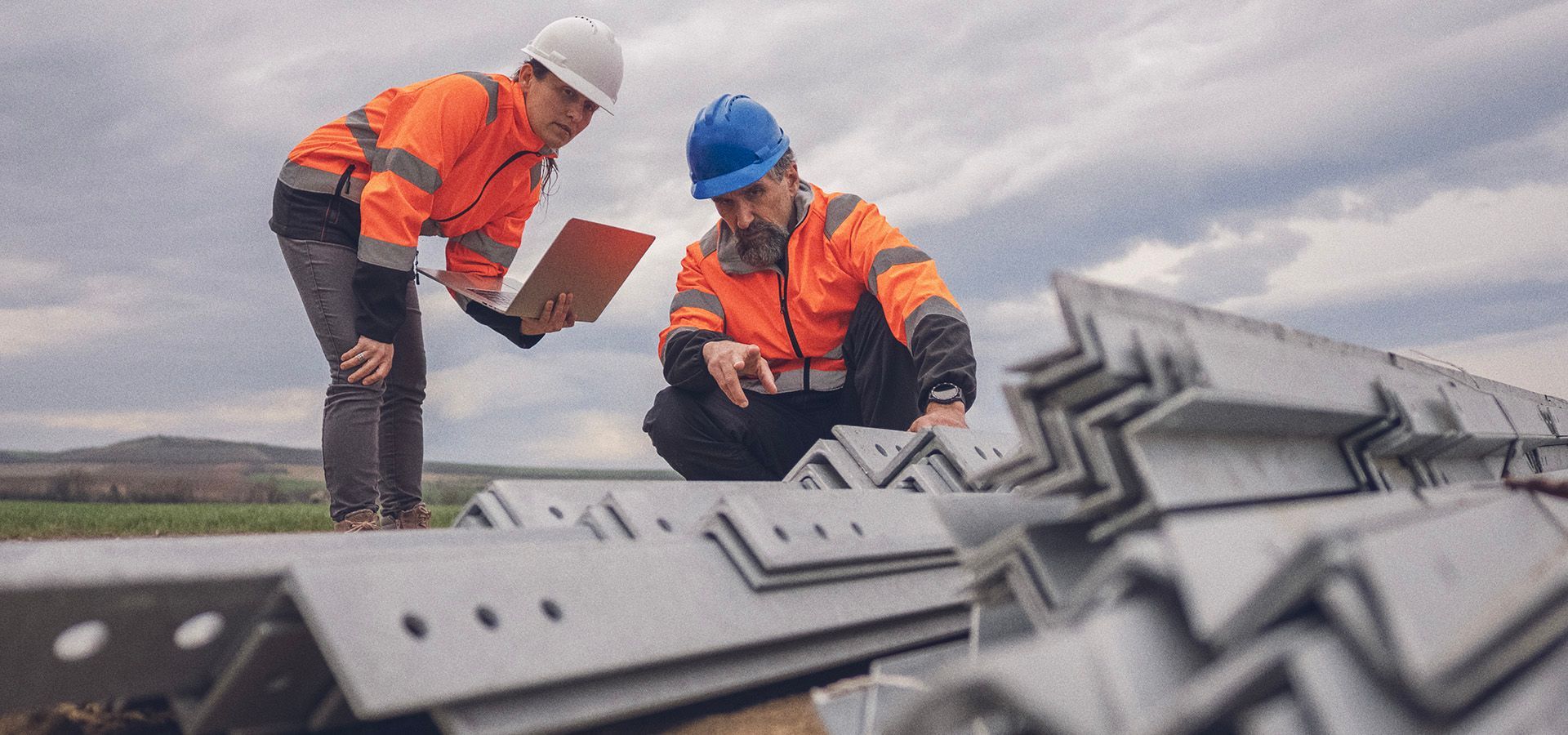
Collecting data throughout a project lifecycle helps guide and refine best practices for future work. Let’s take a closer look at some of the industry metrics we use.